

Hey there! If you're a parent or just a lady who loves a good water bottle, you've probably wondered, "How often should I replace a kids & lady water bottle?" Well, you've come to the right place! As a supplier of high - quality kids & lady water bottles, I've got some insights to share with you.
Why Replacement Matters
First off, let's talk about why replacing your water bottle is so important. Over time, water bottles can accumulate bacteria, mold, and other yucky stuff. Kids, in particular, are more prone to getting sick, and a dirty water bottle can be a breeding ground for germs. For ladies, we're always on the go, and a clean water bottle is essential for maintaining good health.
Think about it. Every time you take a sip from your bottle, you're ingesting whatever is inside. If there's mold or bacteria growing in there, it can lead to all sorts of health problems, like stomachaches, nausea, and even infections. So, it's not just about having a cute or functional water bottle; it's about keeping yourself and your kids healthy.
Factors Affecting Replacement Frequency
Now, let's get into the nitty - gritty of how often you should replace your water bottle. There are several factors that can influence this decision.
Material of the Water Bottle
- Plastic Bottles: Plastic water bottles are popular because they're lightweight and inexpensive. However, they can also be porous, which means they can absorb odors, stains, and bacteria. If you're using a plastic water bottle, it's a good idea to replace it every 6 - 12 months. This is especially true if the bottle has any cracks or scratches, as these can harbor bacteria and make it harder to clean. Check out our Steel Bottle for Kids&gift for a more durable alternative.
- Stainless Steel Bottles: Stainless steel water bottles are more durable and resistant to bacteria. They don't absorb odors or stains as easily as plastic bottles. You can usually get away with using a stainless steel water bottle for 1 - 2 years. But, make sure to clean it regularly, especially the lid and the spout, where bacteria can build up. Our Insulated Thermal Kids Water Bottle is made of high - quality stainless steel and is built to last.
- Glass Bottles: Glass water bottles are a great option because they're non - porous and don't leach any chemicals. However, they're also more fragile. If you take good care of your glass water bottle and it doesn't get any chips or cracks, you can use it for a long time. But, if it does break, obviously, you'll need to replace it right away.
Usage Frequency
- Daily Use: If you or your kids use the water bottle every day, it's going to get more wear and tear. You'll need to replace it more often. For daily users, a plastic bottle might need to be replaced every 6 months, while a stainless steel bottle could last 1 year.
- Occasional Use: If the water bottle is only used occasionally, say once a week or less, it can last longer. A plastic bottle could last up to 12 months, and a stainless steel bottle could last 2 years.
Cleaning Habits
- Regular Cleaning: If you clean your water bottle regularly, using hot, soapy water and a bottle brush, you can extend its lifespan. Make sure to clean the inside, the outside, the lid, and the spout. If you do this, you might be able to use your bottle for a little longer than the recommended time.
- Infrequent Cleaning: On the other hand, if you don't clean your water bottle often, bacteria and mold will build up quickly. This can shorten the lifespan of your bottle and also put your health at risk. So, make sure to clean your water bottle at least once a day, or more often if it's been used for something other than water, like juice or milk.
Signs That It's Time to Replace Your Water Bottle
Even if you're following the recommended replacement times, there are some signs that it's time to get a new water bottle.
Odor
If your water bottle has a persistent odor, even after cleaning, it's a sign that there's bacteria or mold growing inside. This can happen if the bottle is made of a porous material or if it hasn't been cleaned properly. In this case, it's best to replace the bottle.
Cracks or Leaks
If your water bottle has any cracks or leaks, it's time for a new one. Cracks can allow bacteria to enter the bottle, and leaks can make it messy and difficult to use.
Stains
If your water bottle has stubborn stains that won't come out, it might be time to replace it. Stains can be a sign of bacteria or mold growth, and they can also make the bottle look unappealing.
Worn - out Parts
If the lid, the spout, or any other parts of the water bottle are worn out or not working properly, it's a good idea to replace the bottle. A broken lid can let in dirt and bacteria, and a malfunctioning spout can make it difficult to drink from the bottle.
Our Recommendations for Kids & Lady Water Bottles
As a supplier of kids & lady water bottles, we've got some great options for you.
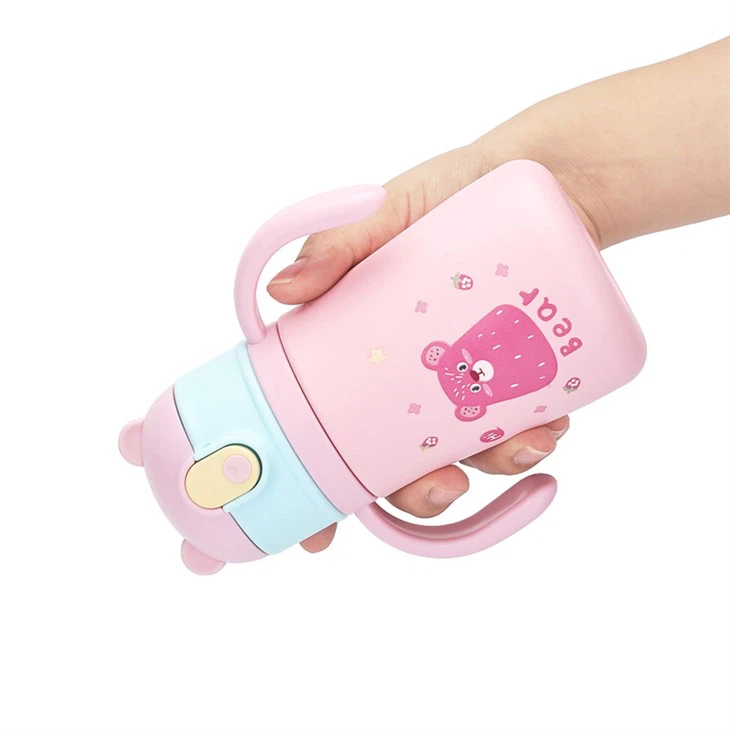

For kids, our Cute Kid Insulated Water Bottle is a hit. It's insulated, so it can keep drinks cold for hours. It also has a cute design that kids will love. And because it's made of stainless steel, it's durable and easy to clean.
For ladies, we have a variety of stylish and functional water bottles. Whether you're looking for a sleek, minimalist design or a colorful, fun one, we've got you covered. Our bottles are made of high - quality materials and are built to last.
Let's Talk Business
If you're interested in purchasing our kids & lady water bottles in bulk for your store, school, or organization, we'd love to hear from you. We offer competitive prices, high - quality products, and excellent customer service. Whether you're a small business owner looking to stock up on trendy water bottles or a large institution in need of reliable hydration solutions, we can work with you to meet your needs. Contact us to start the procurement negotiation process and find the perfect water bottles for your customers or members.
References
- American Academy of Pediatrics. (2023). Health and Safety Guidelines for Children's Products.
- Centers for Disease Control and Prevention. (2023). Bacteria and Hygiene in Personal Items.
- International Bottled Water Association. (2023). Best Practices for Water Bottle Use and Maintenance.