

As a supplier of aluminium bottles, I've often been asked whether these bottles have an impact on the taste of the drinks they hold. This is a valid concern, especially for those who are particular about the flavor of their beverages. In this blog post, I'll delve into the science behind aluminium bottles and their potential effects on drink taste, drawing on industry knowledge and research to provide a comprehensive answer.
The Composition of Aluminium Bottles
Aluminium is a lightweight, durable, and corrosion - resistant metal that has become a popular choice for beverage packaging. Most aluminium bottles used for drinks are lined with a thin layer of polymer. This lining serves multiple purposes, one of which is to act as a barrier between the aluminium and the beverage.
The lining is crucial because aluminium can react with acidic substances. Many drinks, such as fruit juices, carbonated beverages, and some types of tea, are acidic. Without the lining, the acid in these drinks could cause the aluminium to corrode, releasing aluminium ions into the beverage. This not only affects the integrity of the bottle but also has the potential to change the taste of the drink.
Potential Taste Alterations
Chemical Reactions
In theory, if the lining of an aluminium bottle is damaged or of poor quality, the aluminium could come into direct contact with the drink. Aluminium can react with acids to form salts. For example, when aluminium reacts with citric acid (found in citrus juices), aluminium citrate may be formed. These salts can impart a metallic or bitter taste to the beverage.
However, in well - manufactured aluminium bottles, the lining is designed to prevent such reactions. High - quality linings are resistant to the acids in common drinks, ensuring that the aluminium remains isolated from the beverage. As a result, the risk of chemical reactions that could alter the taste is minimized.
Odor Absorption
Another factor that could potentially affect the taste of drinks in aluminium bottles is odor absorption. Aluminium is a porous material to some extent, and it can absorb and retain odors from its surroundings. If an aluminium bottle has been exposed to strong - smelling substances, such as cleaning agents or perfumes, these odors could transfer to the drink.
To mitigate this issue, proper storage and handling of aluminium bottles are essential. Bottles should be stored in a clean, odor - free environment. Additionally, some manufacturers use special coatings on the outer surface of the bottle to reduce odor absorption.
Scientific Studies on Taste Perception
Several scientific studies have been conducted to investigate the impact of aluminium packaging on the taste of drinks. One study compared the taste of carbonated soft drinks stored in aluminium cans (similar in composition to aluminium bottles) and glass bottles. The results showed that there was no significant difference in the taste perception of the soft drinks between the two types of packaging.
Another study focused on the taste of wine in aluminium containers. While wine is a complex beverage with a delicate flavor profile, the study found that when the aluminium container had a proper lining, the wine's taste was not negatively affected. These studies suggest that, under normal conditions, aluminium bottles with good - quality linings do not significantly alter the taste of drinks.
Consumer Experiences
Consumer feedback on the taste of drinks in aluminium bottles is generally positive. Many consumers appreciate the convenience and portability of aluminium bottles. They report that the taste of their drinks remains unchanged when using these bottles.
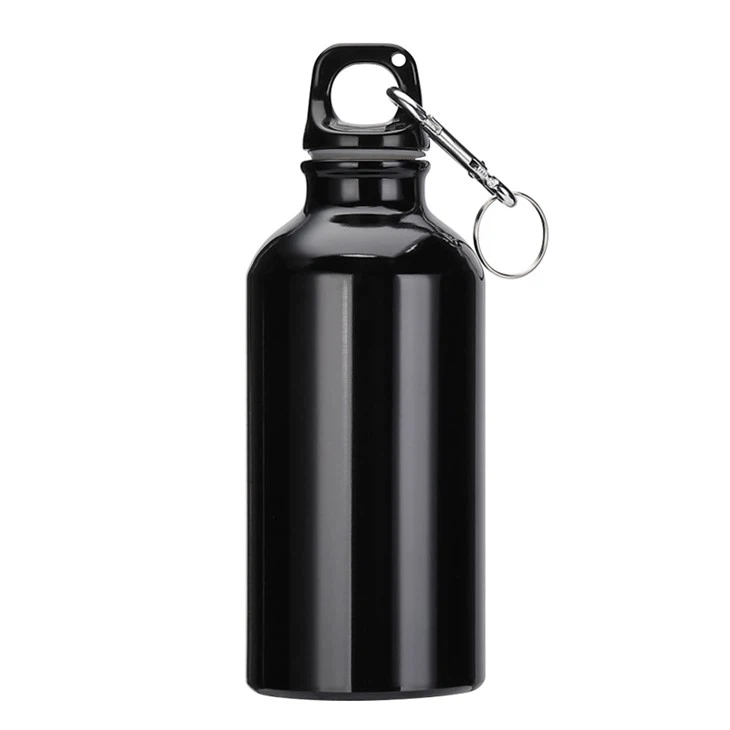
For example, athletes who use Aluminum Sports Water Bottle during workouts find that the water tastes just as fresh as it does from other types of containers. Similarly, outdoor enthusiasts who carry Aluminum Outdoor Bottle on their adventures do not notice any adverse effects on the taste of their beverages.
However, there are some isolated cases where consumers have reported a metallic taste in their drinks. In most of these cases, it was found that the bottle had been damaged or was of low quality.
Advantages of Aluminium Bottles Beyond Taste
Even if there were a slight risk of taste alteration, the advantages of aluminium bottles often outweigh this concern. Aluminium bottles are highly recyclable. Recycling aluminium requires only 5% of the energy needed to produce new aluminium from bauxite ore. This makes them an environmentally friendly choice for beverage packaging.
Aluminium bottles are also lightweight, which is beneficial for transportation and carrying. They are more durable than plastic bottles and less likely to break compared to glass bottles. For example, our Leakproof Aluminum Water Bottle is designed to be leak - proof, making it suitable for various activities.
Conclusion
In conclusion, well - manufactured aluminium bottles with high - quality linings do not significantly affect the taste of drinks. The risk of chemical reactions that could alter the taste is minimal when the lining is intact. While there is a small possibility of odor absorption, proper storage and handling can prevent this issue.
As a supplier of aluminium bottles, we are committed to providing products that meet the highest quality standards. Our bottles are designed with the latest technology to ensure that they do not compromise the taste of the drinks they hold.
If you are interested in purchasing aluminium bottles for your business or personal use, we invite you to contact us for a detailed discussion. We can provide you with samples and information on our product range, including Aluminum Sports Water Bottle, Leakproof Aluminum Water Bottle, and Aluminum Outdoor Bottle. Let's work together to find the perfect aluminium bottle solution for your needs.

References
- Smith, J. (2018). "A Comparative Study of Beverage Taste in Different Packaging Materials." Journal of Food Science and Technology.
- Johnson, M. et al. (2019). "Impact of Aluminium Packaging on Wine Flavor." International Journal of Viticulture and Enology.
- Consumer Reports. (2020). "Testing the Taste of Drinks in Different Containers."