

In the world of kitchenware and daily essentials, mugs are typically seen as vessels for holding hot or cold beverages. But have you ever wondered if a mug can be used for cooking? As a mug supplier, I've pondered this question and explored the possibilities. In this blog post, I'll delve into the science behind using mugs for cooking, discuss different types of mugs suitable for the task, and share some practical tips and recipes.
The Science of Cooking in a Mug
To understand whether a mug can be used for cooking, we first need to look at the basic principles of cooking. Cooking involves the transfer of heat to food, which causes chemical and physical changes that transform raw ingredients into edible meals. Mugs, depending on their material and construction, can play a role in this heat transfer process.
Most mugs are made from materials such as ceramic, glass, stainless steel, or plastic. Each material has its own thermal properties that affect how it conducts and retains heat.
- Ceramic Mugs: Ceramic is a good insulator, which means it can hold heat well. This makes ceramic mugs suitable for slow - cooking or keeping food warm after it's cooked. However, ceramic can also be brittle and may crack if exposed to sudden temperature changes.
- Glass Mugs: Glass is transparent, allowing you to monitor the cooking process. It conducts heat evenly, which is beneficial for cooking. But like ceramic, glass can break if it experiences rapid temperature fluctuations.
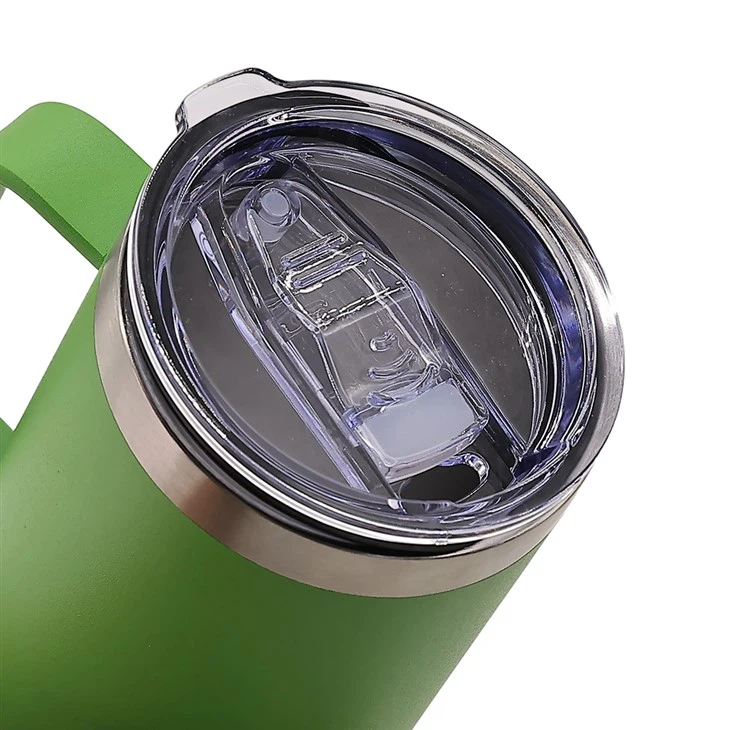
- Stainless Steel Mugs: Stainless steel is a great conductor of heat. It heats up quickly and distributes heat evenly across the surface of the mug. Stainless steel mugs are also durable and resistant to corrosion. For example, our Stainless Steel High Vacuum Mug is made of high - quality stainless steel that can withstand high temperatures during cooking.
- Plastic Mugs: Not all plastic mugs are suitable for cooking. However, some heat - resistant plastics can be used in the microwave for short periods. It's important to check the manufacturer's instructions to ensure the plastic can handle the heat.
Types of Cooking You Can Do in a Mug
There are several types of cooking that can be done in a mug, each with its own set of requirements and benefits.
Microwave Cooking
The microwave is a convenient tool for cooking in a mug. It uses electromagnetic waves to heat the water molecules in food, which in turn cooks the food. Many simple recipes can be prepared in the microwave using a mug, such as mug cakes, mug omelets, and mug oatmeal.
For example, a mug cake can be made by combining flour, sugar, cocoa powder, baking powder, milk, and oil in a mug. Mix the ingredients well, and then microwave the mug for 1 - 2 minutes. The result is a delicious, single - serving cake.
Stovetop Cooking
Some mugs, especially those made of stainless steel, can be used on the stovetop. You can heat up soups, sauces, or even cook small amounts of pasta in a stainless steel mug. Just make sure to use a low to medium heat setting to prevent the mug from overheating or warping. Our Vacuum Insulated Camp Mug is a great option for stovetop cooking as it has a durable construction that can handle the heat.
Oven Cooking
Ceramic and glass mugs can be used in the oven, but it's important to pre - heat the oven slowly to avoid thermal shock. You can bake casseroles, quiches, or even small bread loaves in a mug in the oven. Make sure to use oven - safe mugs and follow the recommended temperature and cooking time for the recipe.
Practical Tips for Cooking in a Mug
- Choose the Right Mug: Select a mug that is made of a material suitable for the type of cooking you want to do. Consider the size of the mug as well, depending on the amount of food you plan to cook.
- Grease the Mug: To prevent food from sticking to the mug, grease it with a small amount of oil or butter before adding the ingredients.
- Stir Frequently: When cooking in a mug, especially in the microwave, stir the food frequently to ensure even cooking.
- Use a Lid or Cover: A lid or cover can help trap steam and heat, which can speed up the cooking process and keep the food moist.
Recipes for Cooking in a Mug
Mug Omelet
- Ingredients: 2 eggs, a small amount of milk, salt, pepper, your choice of vegetables (such as spinach, mushrooms, or tomatoes), and cheese.
- Instructions: Crack the eggs into a mug and add a splash of milk. Season with salt and pepper. Chop the vegetables and add them to the mug. Mix well. Microwave the mug on high for 1 minute, then stir. Microwave for another 30 seconds to 1 minute, or until the omelet is set. Sprinkle cheese on top and let it melt.
Mug Chocolate Cake
- Ingredients: 1/4 cup flour, 1/4 cup sugar, 2 tablespoons cocoa powder, 1/4 teaspoon baking powder, 1/8 teaspoon salt, 2 tablespoons oil, 3 tablespoons milk, and a splash of vanilla extract.
- Instructions: Combine all the dry ingredients in a mug and mix well. Add the oil, milk, and vanilla extract. Stir until the batter is smooth. Microwave the mug on high for 1 - 2 minutes, or until the cake is cooked through. Let it cool for a few minutes before enjoying.
Advantages of Cooking in a Mug
- Convenience: Cooking in a mug is quick and easy, especially for single - serving meals. You don't need a lot of utensils or a large cooking space.
- Portability: Mugs are portable, so you can cook your meal wherever you have access to a microwave, stovetop, or oven. This is great for people on the go, such as students or office workers.
- Customization: You can customize your mug - cooked meals according to your taste preferences and dietary needs. Add your favorite ingredients to create a unique and personalized dish.
Disadvantages of Cooking in a Mug
- Limited Quantity: Mugs are usually small, so you can only cook small amounts of food at a time. This may not be suitable for feeding a large group.
- Cleaning: Some foods may stick to the mug, making it difficult to clean. You may need to soak the mug in warm, soapy water to remove the stains.
Conclusion
In conclusion, a mug can indeed be used for cooking. Whether you're looking for a quick and easy meal or a fun way to experiment in the kitchen, cooking in a mug offers many possibilities. As a mug supplier, we offer a wide range of mugs, including Stainless Steel High Vacuum Mug, Vacuum Insulated Camp Mug, and Personalised Coffee Travel Mugs, that are suitable for different types of cooking.

If you're interested in purchasing mugs for cooking or other purposes, we'd love to have a discussion with you. Contact us to explore our product range and discuss your specific requirements. We're committed to providing high - quality mugs that meet your needs.
References
- "The Science of Cooking" by Harold McGee
- "Microwave Cooking Basics" by America's Test Kitchen
- "Oven - Safe Cookware Guide" by Consumer Reports