

Hey there! As a supplier of aluminium bottles, I often get asked about how the durability of aluminium bottles stacks up against other materials. Well, let's dive right into it and explore this topic in detail.
Durability of Aluminium Bottles
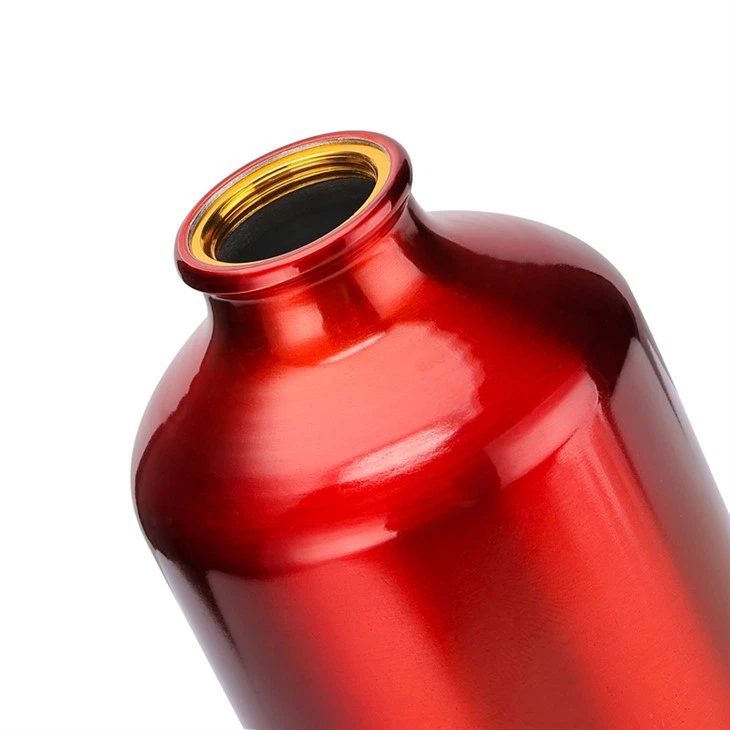
First off, aluminium is one tough cookie. It's known for its high strength - to - weight ratio. This means that even though it's relatively lightweight, it can withstand a fair amount of punishment. Aluminium bottles are resistant to dents and scratches to a certain degree. When you're out and about, whether it's on a hike or at the gym, your bottle might get knocked around a bit. An aluminium bottle can take those minor bumps and still keep its shape.
Another great thing about aluminium is its corrosion resistance. Aluminium naturally forms a thin oxide layer on its surface when exposed to air. This layer acts as a protective shield, preventing the metal from rusting or corroding. So, if you accidentally leave your aluminium bottle in a damp environment or it gets splashed with water regularly, you don't have to worry about it falling apart due to rust.
Aluminium bottles are also heat - resistant. They can handle a wide range of temperatures without deforming. You can fill them with hot coffee in the morning or cold water on a hot summer day, and the bottle will maintain its integrity. This makes them a versatile option for different beverage needs.
Comparison with Plastic Bottles
Now, let's talk about plastic bottles. Plastic is a popular choice because it's cheap and lightweight. However, when it comes to durability, it falls short compared to aluminium.
Plastic bottles are prone to cracking and breaking. If you drop a plastic bottle, there's a high chance it will develop a crack or even shatter, especially if it's made from thin - walled plastic. On the other hand, an aluminium bottle is more likely to just get a small dent.
Plastic can also degrade over time, especially when exposed to sunlight or certain chemicals. UV rays can cause the plastic to become brittle and break down. This not only affects the appearance of the bottle but also its functionality. You might start to notice leaks or a change in the taste of the liquid inside the bottle as the plastic degrades.
In terms of reusability, plastic bottles aren't as durable for long - term use. After a few washes, the plastic can start to wear out, and the bottle may lose its shape. Aluminium bottles, on the other hand, can be reused countless times without significant wear and tear. Check out our Aluminum Sports Water Bottle for a durable option for your sports activities.
Comparison with Glass Bottles
Glass bottles have their own charm. They're great for keeping the taste of the beverage pure and are often considered more environmentally friendly since they can be recycled easily. But when it comes to durability, glass is quite fragile.
Glass bottles are extremely prone to breaking. A simple drop or a light knock can cause them to shatter into pieces. This makes them a risky option if you're on the go or have an active lifestyle. You have to be extra careful when handling glass bottles to avoid accidents.
Aluminium bottles, on the other hand, are much more rugged. You can toss an aluminium bottle in your backpack without worrying too much about it breaking. And if you're worried about the taste, many aluminium bottles come with a food - grade lining that prevents any metallic taste from seeping into your drink.

Comparison with Stainless Steel Bottles
Stainless steel bottles are another popular alternative, and they do have good durability. They're very strong and can resist dents and scratches well.
However, aluminium bottles have an edge in terms of weight. Aluminium is lighter than stainless steel, which makes it a better option if you're carrying your bottle around all day. For example, if you're a hiker or a cyclist, every ounce counts, and an aluminium bottle will be less of a burden on your back.
Stainless steel can also be more expensive than aluminium. As a supplier, I know that cost is an important factor for many customers. Aluminium bottles offer a great balance between durability and affordability.
Real - World Applications
In real - world scenarios, the durability of aluminium bottles really shines. For outdoor enthusiasts, an Aluminum Outdoor Water Bottle is a great choice. It can withstand the rough conditions of hiking, camping, and climbing. You don't have to worry about it breaking when it gets jostled around in your backpack or dropped on a rocky trail.
For everyday use, like at the office or school, an aluminium bottle is also a smart option. It can handle being tossed in a locker or carried around in a bag without getting damaged easily. And because it's reusable, it's a more sustainable choice compared to single - use plastic bottles.
If you're into sports, our Aluminum Sports Water Bottle is designed to keep up with your active lifestyle. It can take the impact of being thrown around during a game or workout and still function perfectly.
Why Choose Our Aluminium Bottles
As a supplier, I can assure you that our aluminium bottles are of the highest quality. We use top - grade aluminium and advanced manufacturing techniques to ensure that each bottle is durable and reliable.
Our bottles come in a variety of styles and sizes to meet different customer needs. Whether you need a small bottle for a quick workout or a large one for a long - day hike, we've got you covered.
We also offer customization options. You can have your logo or a unique design printed on the bottle, making it a great promotional item for businesses or a personalized gift for friends and family.
Contact Us for Procurement
If you're interested in purchasing our aluminium bottles, we'd love to hear from you. Whether you're a retailer looking to stock our products or an individual in need of a high - quality reusable bottle, we can work with you. Our team is ready to answer any questions you might have and discuss the best options for your specific requirements.
References
- "Materials Science and Engineering: An Introduction" by William D. Callister Jr. and David G. Rethwisch
- "The Handbook of Environmental Chemistry" on the topic of plastic degradation and environmental impact
- Industry reports on the performance of different bottle materials in real - world applications